
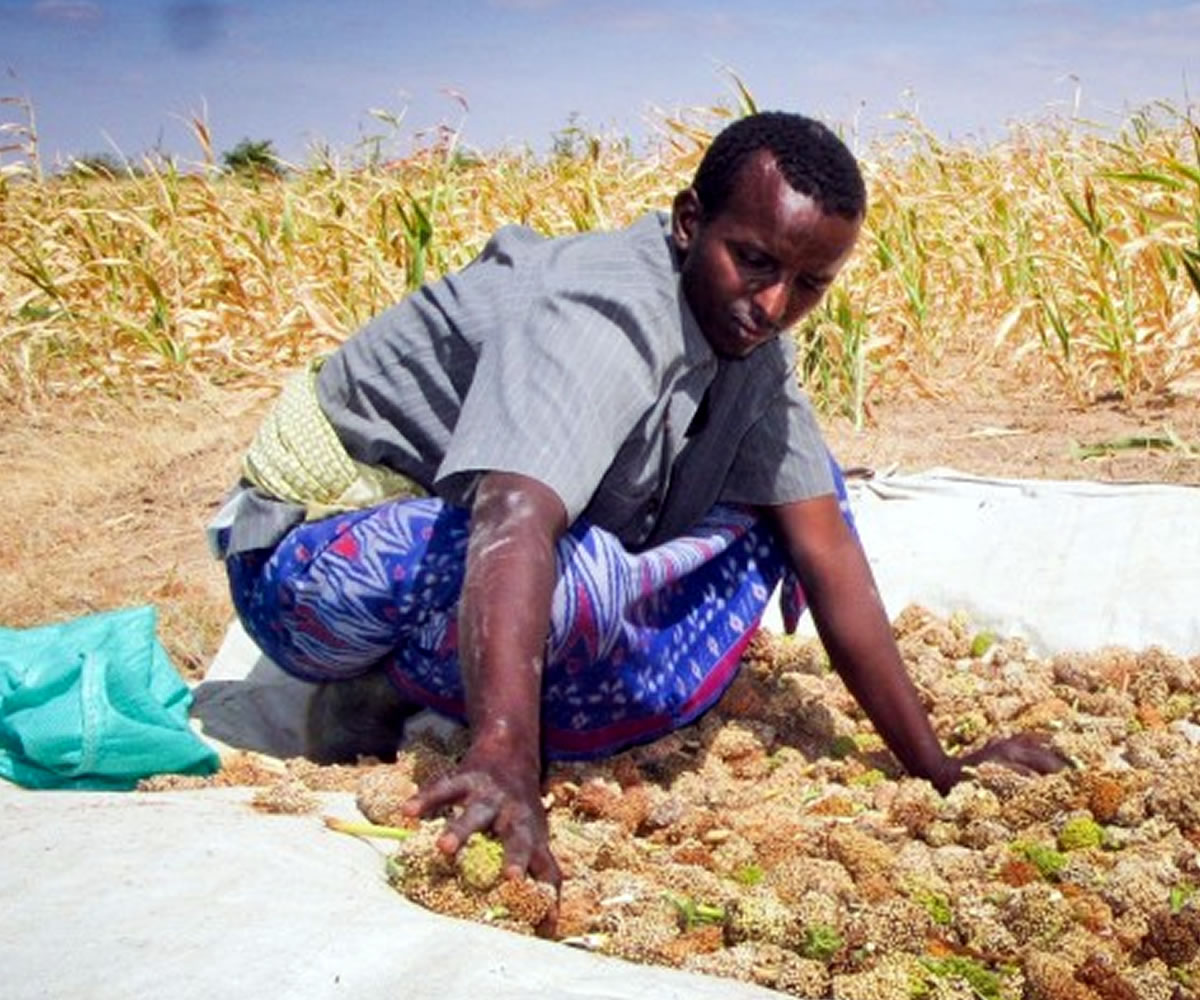
In its commitment to enhancing Food Security and Livelihoods, Smart Community International (SCI) actively implements a range of initiatives that contribute to sustainable agriculture, economic empowerment, and improved nutrition within communities. Here’s an expanded overview of SCI’s efforts in this critical area:
1. Sustainable Agriculture Practices: SCI champions the adoption of sustainable agricultural methods, focusing on environmentally friendly and resilient practices. This includes promoting agro-ecology, organic farming, and techniques that enhance soil fertility, reducing reliance on harmful inputs.
2. Economic Empowerment Programs: Recognizing the interconnectedness of economic stability and food security, SCI invests in initiatives that empower communities economically. This involves providing skill development opportunities, vocational training, and supporting income-generating activities that create sustainable livelihoods.
3. Nutrition Stability: SCI places a strong emphasis on nutrition stability within communities. This involves not only ensuring access to a diverse and nutritious diet but also implementing programs that address malnutrition. The organization may provide nutritional education, support for vulnerable populations, and interventions to address specific nutritional challenges.
4. Community Participation: SCI actively engages communities in the decisionmaking processes related to agricultural practices and economic initiatives. This participatory approach ensures that interventions align with local needs and priorities, fostering a sense of ownership and long-term sustainability.
5. Market Linkages: Recognizing the importance of market access for economic empowerment, SCI works to establish linkages between communities and markets. This helps create opportunities for farmers and entrepreneurs to sell their products, contributing to overall economic growth.
Through these integrated approaches, SCI strives to create a robust foundation for food security, economic empowerment, and improved well-being. The organization acknowledges that sustainable agricultural practices not only ensure a stable food supply but also contribute to the economic resilience of communities, ultimately fostering a more secure and prosperous future.