
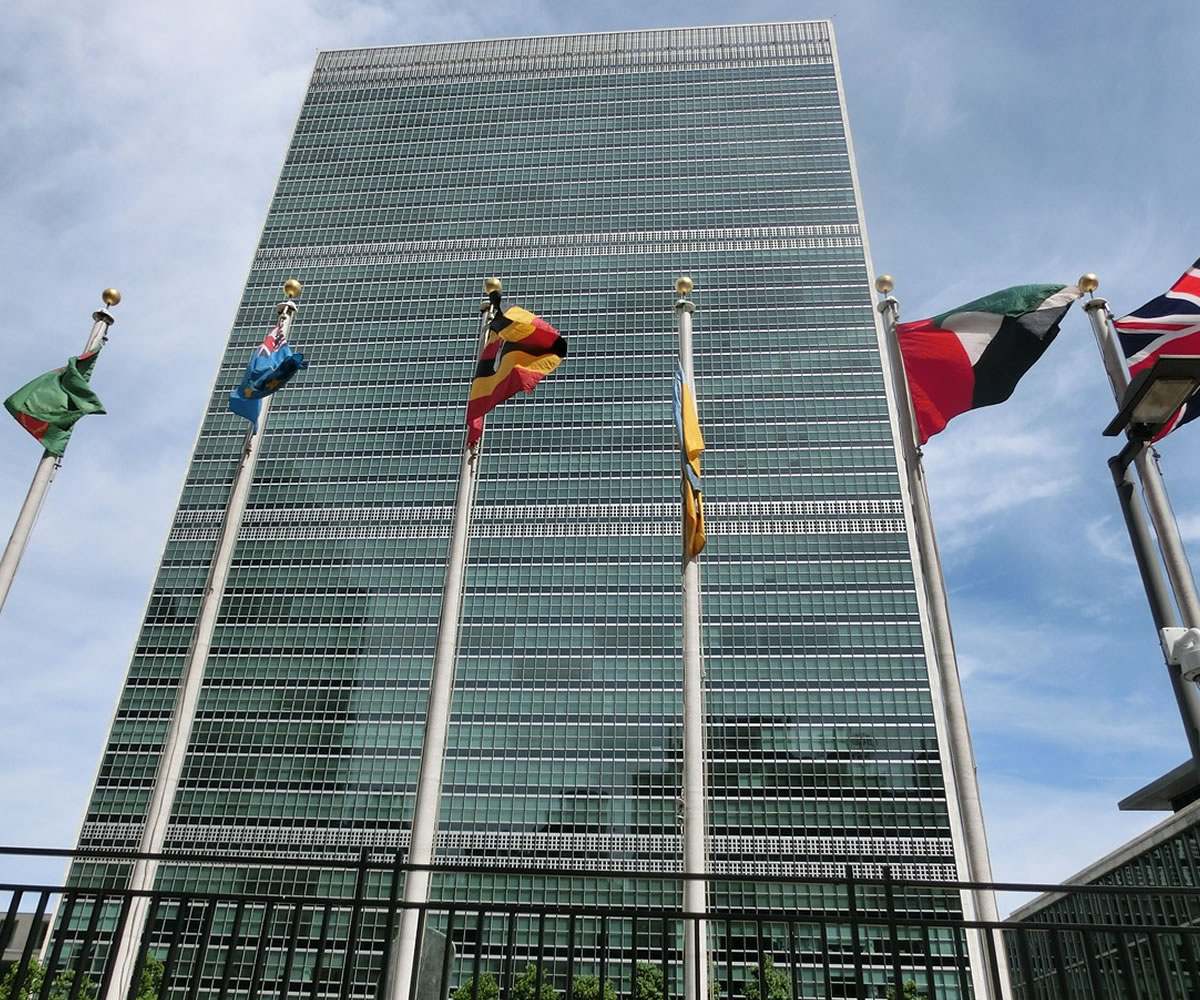
Smart Community International (SCI) plays a vital and proactive role in peace-building efforts, working diligently towards conflict resolution, fostering community cohesion, and contributing to the establishment of sustainable peace in the regions it operates.
Here’s a detailed overview of SCI’s peace-building initiatives:
1. Conflict Analysis and Understanding: SCI conducts thorough analyses of local conflicts to understand their root causes, dynamics, and impact on communities. This knowledge forms the basis for tailored peace-building strategies.
2. Conflict Resolution Programs: SCI actively engages in conflict resolution programs that aim to identify and address the root causes of conflicts within communities. This involves facilitating dialogue, mediation, and reconciliation processes to build understanding and promote harmony.
3. Community Cohesion Initiatives: Recognizing the importance of fostering strong community ties, SCI implements programs that promote unity, understanding, and cooperation among diverse community members. This may include cultural exchange initiatives, community-building events, and activities that celebrate shared values.
4. Dialogue and Mediation Workshops: SCI organizes workshops and training sessions on dialogue and mediation for community leaders, influencers, and residents. These initiatives empower individuals to play active roles in resolving conflicts peacefully and contributing to a more cohesive community.
5. Conflict-Sensitive Development: In all its development projects, SCI adopts a conflict-sensitive approach. This means taking into consideration the potential impact of projects on existing tensions and working to ensure that initiatives contribute positively to peace-building and social cohesion.
6. Youth Engagement in Peace-building: Acknowledging the role of youth as agents of change, SCI actively involves young people in peace-building efforts. This may include leadership training, educational programs on conflict resolution, and opportunities for youth to contribute positively to community development.
7. Collaboration with Local Peace building Organizations: SCI collaborates with local peace building organizations and initiatives, recognizing the importance of leveraging local knowledge and expertise. This collaborative approach enhances the effectiveness and sustainability of peace-building efforts.
8. Advocacy for Policy Change: SCI engages in advocacy efforts at local, national, and international levels to promote policies that support peace-building and conflict prevention. This includes advocating for inclusive governance structures, human rights, and equitable resource distribution.
9. Post-Conflict Reconstruction: In areas affected by conflict, SCI engages in post-conflict reconstruction efforts. This may include rebuilding infrastructure, restoring essential services, to rebuild livelihoods and supporting the rehabilitation of communities affected by violence, and address the socio-economic impact of conflict.
By integrating these peace-building strategies into its broader mission, SCI seeks to contribute to the creation of resilient, harmonious, and sustainable communities. The organization recognizes that peace is a foundation for development, and its efforts are aimed at fostering environments where individuals can thrive and communities can prosper in the absence of conflict